House Clearance Yiewsley Health and Safety Policy
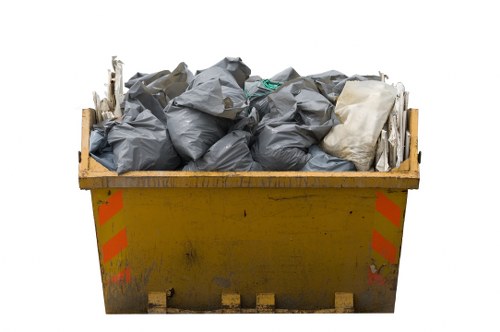 This Health and Safety policy sets out the approach adopted by our team providing house clearance and rubbish removal services across the service area. The purpose is to protect employees, clients, members of the public and property during every clearance operation. All staff and subcontractors must read, understand and follow this policy. It forms the baseline for operational procedures, risk assessments and daily site checks carried out by the clearance crew.
Our commitment is to maintain a safe working environment by applying recognised safety standards to all house clearance jobs, whether small domestic removals or full property clearances. This policy emphasises prevention, communication and competent supervision. It recognises that a well-managed rubbish company delivers safer, faster and more reliable services while reducing the likelihood of injury and damage.
 All personnel must participate in hazard identification and report unsafe conditions immediately. The policy covers manual handling, vehicle safety, hazardous materials, sharps and asbestos-suspect items. It applies to all personnel involved in the house clearance, including staff who load, transport and dispose of waste and those who supervise the works. The company will comply with applicable regulations and adopt best practice for waste removal and site safety.
Roles and responsibilities are clearly defined to ensure accountability. Managers will ensure adequate resources, training and monitoring. Supervisors will carry out pre-start checks and confirm that method statements are understood. Operatives must follow instructions, use equipment correctly and wear the correct PPE. A short induction is required for new workers and for anyone visiting an active clearance site.
Key responsibilities include:
- Risk assessments for each job and review of site-specific hazards;
- Safe systems of work, including manual handling plans and lifting aids;
- Provision and maintenance of PPE such as gloves, boots, eye protection and hi-vis clothing;
- Recording and reporting of incidents, near misses and dangerous occurrences.
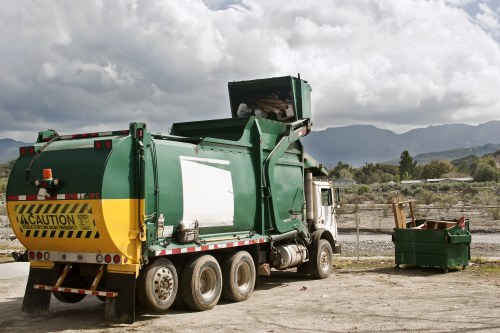 Risk assessment is central to safe rubbish clearance operations. Before starting, the team will evaluate access, structural condition, presence of biohazards, potential for asbestos-containing materials and the location of sharps. Assessments are documented and kept with the job file. Where hazardous waste is identified, the job will be either managed by trained staff with appropriate permits or referred to licensed contractors for specialist disposal.
Manual handling guidance is enforced to reduce musculoskeletal injuries: lift with the legs, avoid twisting and use trolleys or sack trucks where possible. Mechanical aids must be used for heavy items such as furniture, appliances and rubble. Teams will plan lifts together, communicate clearly and rotate tasks to prevent fatigue. House clearance teams are trained to recognise unsafe loads and to seek assistance when needed.
Personal protective equipment is mandatory on all active clearance sites. Gloves suitable for the task, sturdy footwear with toe protection, eye protection and high-visibility clothing are examples of the minimum PPE. Additional protection, such as respiratory masks, will be used if dust, mould or hazardous dusts are present. PPE is inspected daily and replaced when worn or damaged.
Vehicle and traffic safety measures protect operatives and the public. All vehicles used for rubbish removal are maintained, inspected and loaded to avoid overhangs and shifting loads. Drivers must follow safe loading plans and secure waste correctly. Parking and site set-up should aim to minimise obstruction and reduce risk to pedestrians.
Handling hazardous or unknown materials requires caution. Items that may contain asbestos, chemicals or contaminated waste will be treated as potentially hazardous until proven otherwise. The team will not disturb suspected asbestos-containing materials; instead, the item is cordoned and reported to management for specialist handling. Chemical containers and unidentified liquids are documented and controlled until appropriate disposal arrangements are made.
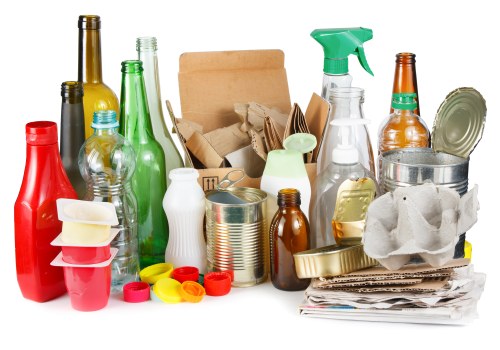 Sharps, syringes and biohazardous waste are common on some clearances. These items must be collected using specialist puncture-resistant containers and disposed of through authorised channels. Staff will never re-sheath needles or handle sharps without correct tools and training. Spills involving biological fluids are managed with disinfectant and containment procedures to protect health.
 Incident reporting and investigation procedures ensure lessons are learned. All accidents and near misses are reported promptly, investigated and logged. Corrective actions are implemented and communicated to the team. Regular safety audits and toolbox talks maintain awareness and help embed safer working practices across the rubbish clearance service area.
Training and competence are essential. Operatives receive training in manual handling, use of lifting equipment, PPE, hazardous materials recognition and first aid. Refresher training is provided periodically and whenever procedures change. The aim is to ensure the workforce is competent, confident and capable of delivering safe house clearance services.
Monitoring and review: The policy is reviewed annually or after a significant incident or change in legislation. Safety performance is measured through audits, incident statistics and staff feedback. Continuous improvement drives updates to procedures, equipment and training to sustain compliance and high standards of safety.